Power and signal transmission cannot compromise on protection. The insulating layer protects against electrical and thermal damage, but in many applications, it doesn’t have enough mechanical strength. Cables in industrial machinery and underground installations are often subjected to mechanical load. Without proper shielding, they cannot last long in such environments.
Armoured cable has evolved as a preferred choice to protect against the impact or crushing forces. Let’s understand its design, purpose, and how it has transformed the way electricity or signals are transmitted.
Our Products
We Provide Offer Best Products.
We’re Delivering only Expectional Quality Work.
Understanding the Armoured Cable Design
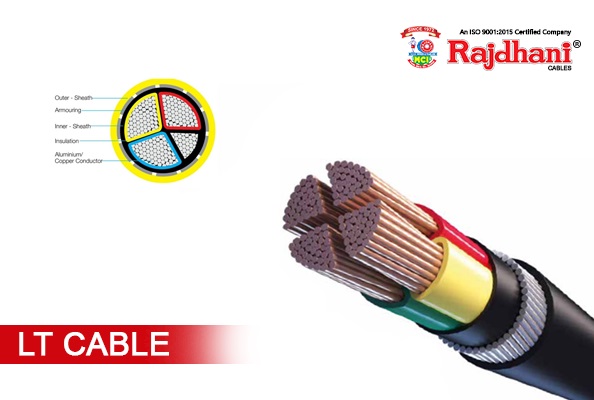
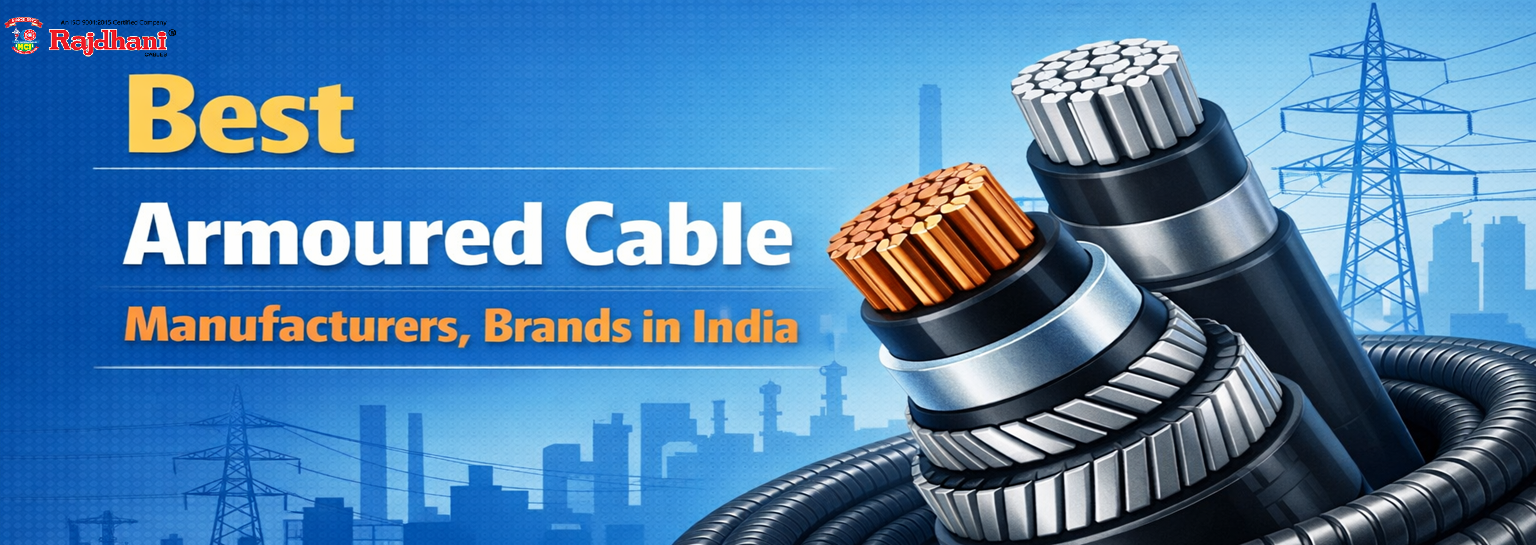
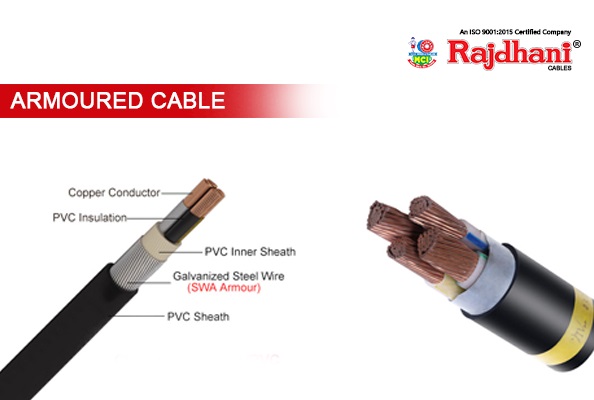
Harsh conditions in industrial environments or underground installations often damage the cables due to mechanical forces. The typical insulation fails under pressure and impact. Armoured cable was invented to overcome this limitation. In its design, a metal sheath is added between the conducting wires and the outer insulation. This is called the armour layer, which adds strength to the cable. Steel wire armour is a common type used in vast applications.
How To Choose An Armoured Cable?
To identify the best armoured cable for your specific project, here are some factors to consider:
Current Capacity and Size
Calculate the total load and match it with the current capacity and the thickness of the cable.
Cable Length
Voltage drop leads to energy loss. Thick cables reduce the energy loss caused during long cable runs.
Number of Cores and Conductor Type
Note the number of cores you need based on your installation. Copper and aluminium are the two conductors that you need to pick.
Safety Features
Decide whether you need FRLS grade or zero halogen minimum smoke armoured cable.
Benefits of Armoured Cables in Transmission
Here are the top benefits of armoured cables in current and signal supply:
- Protects the cable from accidental digging, rodents, and pressure from soil underground.
- Ensures an uninterrupted power supply or signal transmission by absorbing stress.
- Long cable runs can be installed within an infrastructure without needing a conduit.
- Reduces the need for cable repairs and replacement because it prolongs the lifespan of the cable.
We are Certified by-
Read More: Best Wire and Cable Manufacturers in India
Best Armoured Cable Supplier
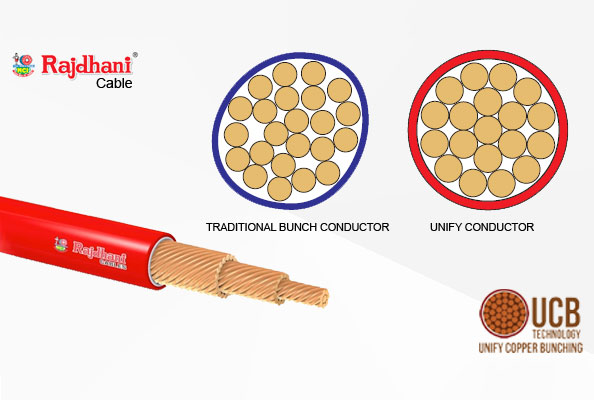
Rajdhani Cables is the best manufacturer and supplier of armoured cable. We are innovation driven brand of wires and cables. In this particular type, we reduce the thickness of the conductor by maximizing the contact points. Our armours are made of galvanized steel wire. It prevents spot heating, sparking and accidental cuts. Our cables conform to the standard regulations of IEC, BS, and IEEE. From the residential to the industrial sector, we support a wide number of clients with our well-designed armoured cables.
Conclusion
Armoured cable is truly a remarkable invention that supports the electrical transmission in challenging settings. From industries that have a complex network of power and signal connections to the long transmission lines that run underground, the scope of these cables is huge. Steel galvanized wires offer excellent strength against crushing and impact forces.
If you want to buy armoured cables, choose from the wide collection of Rajdhani Cables.
We're always here to support you!
Our offices are located on the traditional, unceded and occupied territories of the Coast Salish and Sto:lo peoples, including the territories
Customer Care Number
+91-9773778182
Email us now
info@rajdhanicable.com
FAQ's
This question is frequently searched by consumers and professionals looking to compare brands before buying wires or selecting a supplier for construction or industrial projects. The most mentioned companies in top-10 industry lists include Rajdhani Cables, Polycab Wires Pvt. Ltd., V-Guard Industries, KEI Industries, Finolex Cables, Sterlite Technologies Ltd, Syska Wires, Plaza Wires, Goldmedal Electricals, RR Kabel Ltd.
Users often search this when they want to know what factors to consider — such as conductor material, insulation type (PVC, XLPE), safety standards (BIS/ISI/IEC), and resistance properties — before buying cables.
This question ranks high because many buyers want to know what BIS, ISO, IEC, RoHS etc. stand for and how they ensure safety, durability, and compliance when selecting cables.
People often search for cable classifications such as power cable, control cable, LV/MV/HV cable, fire-resistant cable, telecom cable, etc., to understand which type is suitable for their needs.
This is a popular beginner question — especially among homeowners or DIY installers — because many don’t know how wires and cables differ in structure, conductors, uses, and electrical properties.